
Frozen Shoulder Treatment in Soho, Central London
Frozen Shoulder Treatment at Elevate Clinic, Central London:
Frozen shoulder can feel frightening.
The good news is that, for almost everyone, it gets better.
One of the first things we hear is:
“I’ve been told this could last two years.”
Or…
“There’s nothing anyone can do.”
That can be incredibly disheartening.
Our experience is a little different.
Frozen shoulder is certainly frustrating.
It can be painful.
It often affects sleep.
Simple things like reaching into a cupboard, putting on a coat or fastening a bra suddenly become difficult.
But understanding where you are in the journey changes everything.
That’s where we begin.
Let’s figure out what’s actually going on.
Then we’ll build a plan that gets you back to doing what you love.
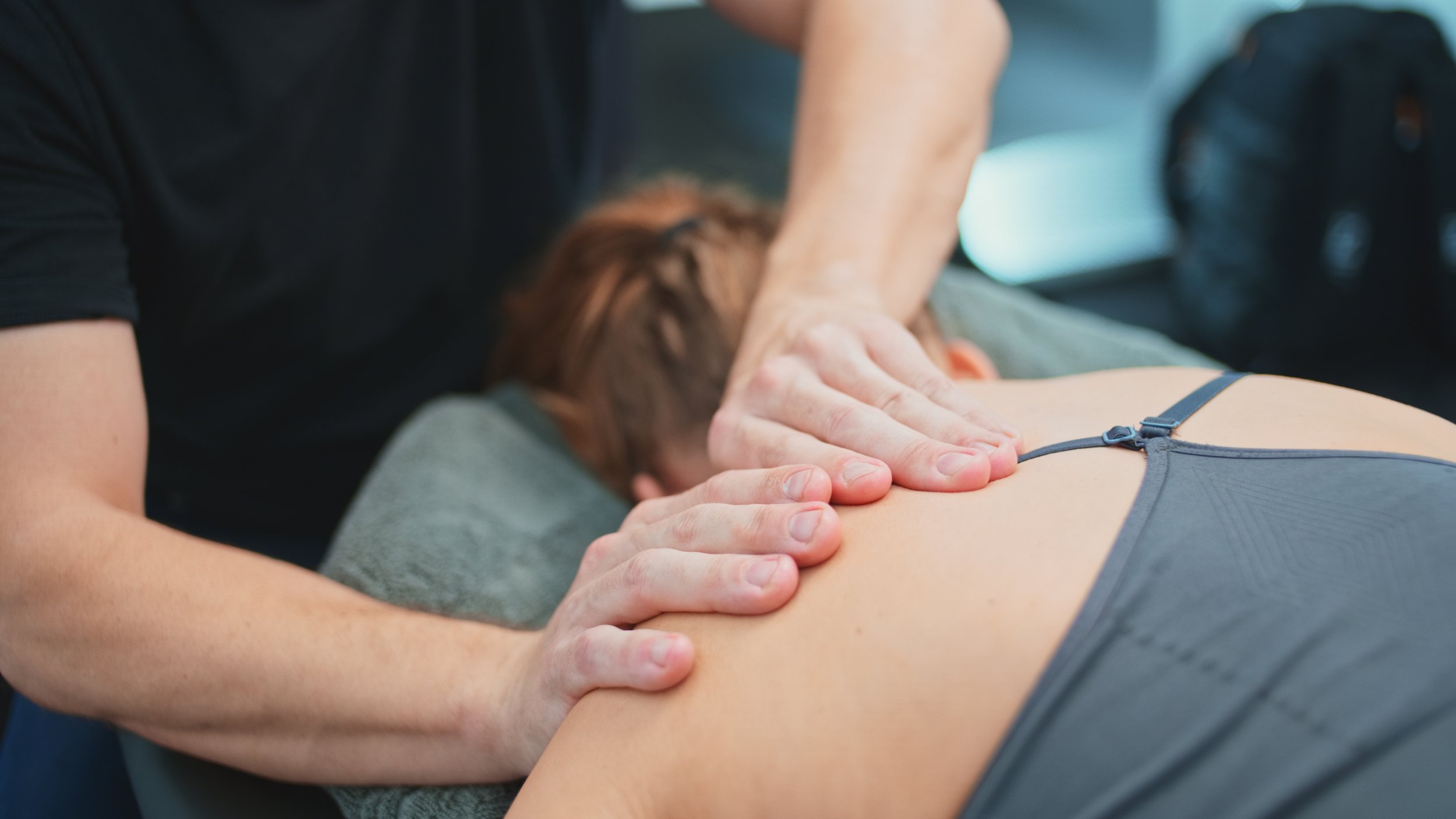
People with frozen shoulder visit us at our Soho clinic and often tell us:
My shoulder has gradually become stiffer.
Sleeping on that side is impossible.
I can’t reach behind my back anymore.
My shoulder feels like it hits a brick wall.
I don’t remember injuring it.
It’s slowly getting worse.
Painkillers only help a little.
Everyday tasks are becoming difficult.
For many people, the stiffness appears before the pain.
That’s an important clue.
This is a conversation we have almost every week…
Patient:
“I don’t know what I’ve done.
It just started getting stiffer.
Then the pain came.
Now I can’t reach the top shelf and I can’t sleep.”
The first thing we usually explain is this:
Frozen shoulder rarely appears overnight.
It tends to build gradually.
Many people notice small losses in movement long before the pain becomes severe.
By the time they seek help, the shoulder has often been changing for weeks or even months.
Understanding that timeline helps us decide where you are in the condition and what treatment is most likely to help.
Does this sound familiar?
If we’re not measuring it, we’re guessing.
One of the most important parts of frozen shoulder rehabilitation is measuring change.
During your assessment at our Central London clinic, we’ll look at key markers:
External rotation.
Internal rotation.
Abduction.
Functional movement.
Pain levels.
Sleep.
Everyday activities.
Digital measurement tools allow us to track how your shoulder is changing over time.
Sometimes patients don’t realise they’re improving because the changes happen gradually.
The measurements tell the story.
They show us whether your shoulder is progressing as we’d expect—or whether we need to change direction.
Because if we’re not measuring your progress…
We’re guessing.
Not every frozen shoulder is the same.
We commonly see two groups of patients.
The first is what we call idiopathic frozen shoulder.
This is the one that seems to appear without a clear injury and is most common in people in their 50s and 60s.
The second develops after surgery or a significant injury.
For example:
Rotator cuff surgery.
Shoulder stabilisation surgery.
Fractures.
Significant trauma.
Although both produce stiffness, they often behave differently and have different recovery timelines.
That’s why understanding how your symptoms started is so important.
Treatment depends on the stage you’re in.
One of the biggest mistakes with frozen shoulder is treating every stage the same way.
Early on, when the shoulder is highly irritable, our priority is calming things down and helping you maintain as much movement as possible.
Treatment may include gentle manual therapy, soft tissue treatment, carefully selected exercises and advice on managing everyday activities.
As the shoulder begins to change, our focus shifts.
Now we want to regain movement.
Restore strength.
Improve confidence.
Gradually challenge the shoulder again.
If your progress isn’t following the pattern we’d expect, we’ll discuss whether additional options, such as hydrodilatation, might be appropriate.
Treatment should always match the stage of the condition—not simply the diagnosis.
Recovery should make sense.
One of the things we believe strongly is that patients deserve to understand their journey.
Rather than focusing on one painful day, we look at the bigger picture.
Is your shoulder moving a little further this month than last month?
Are you sleeping better?
Can you reach a shelf you couldn’t reach before?
Has getting dressed become easier?
Those are the milestones that matter.
Recovery isn’t usually dramatic.
It’s progressive.
And understanding that progression often gives people confidence that they’re moving in the right direction.
What if things aren’t following the plan?
Every diagnosis comes with an expected pattern.
If your movement isn’t improving…
If your pain is behaving differently…
If your shoulder isn’t responding as we’d expect…
We’ll reassess.
Do we still think this is frozen shoulder?
Are you in a different stage than we originally thought?
Would imaging or another opinion add anything?
Good rehabilitation isn’t about sticking to the first idea forever.
It’s about adapting as we learn more.

Elevate founder Jon Cairns
We’ll work through this together.
One of the biggest frustrations people tell us is that they feel they’ve been given a diagnosis but not an explanation.
We want to change that.
We’ll explain what’s happening inside the shoulder.
We’ll explain why we’re recommending a particular treatment.
We’ll explain what we expect over the coming weeks and months.
And if things change, we’ll explain that too.
Recovery isn’t something that’s done to you.
It’s something we build together.
FAQs
Does frozen shoulder always get better?
The vast majority of people recover very well, although the journey can take time. Understanding where you are in that journey helps us guide treatment appropriately.
Why has this happened?
In many cases, we simply don’t know. Frozen shoulder is often described as idiopathic, meaning there’s no single obvious cause. It can also develop following surgery or trauma.
Will I need an injection?
Not everyone does. Some people benefit from procedures such as hydrodilatation if they’re in a particular stage of the condition. If we think it’s appropriate, we’ll explain why.
I’m diabetic. Does that change things?
Yes. People with diabetes often experience a longer recovery, and we’ll discuss that openly from the beginning so your expectations match the likely timeline.
Ready to understand your frozen shoulder?
Frozen shoulder can feel like it’s taken over your life.
Our role is to help you understand where you are in the condition, measure your progress, adapt your rehabilitation when needed and guide you back towards normal movement with confidence.
Our clinic is based at UNTIL, 111 Charing Cross Road, Soho — a short walk from Tottenham Court Road Station.
Let’s figure out what’s actually going on.
Then let’s get you back to doing what you love.
Whether you’re an athlete, a busy professional, or someone looking to relieve tension and improve mobility, our clinic offers a unique combination of expertise, care, and the facilities to support your goals. Book a session today and experience the difference for yourself!