
Shoulder Pain Treatment in Soho, Central London
Shoulder Pain Treatment at Elevate Clinic, Central London:
Shoulder pain doesn't usually begin with an injury.
It often begins with something much less obvious.
You've started going back to the gym.
You've taken up Hyrox.
You're playing more tennis now the weather's improved.
You've been decorating the house.
You've started swimming again after years away.
Or perhaps…
…nothing dramatic happened at all.
Your shoulder has simply become more painful over the last few weeks until reaching overhead, fastening your bra, putting on a coat or sleeping on that side suddenly became difficult.
One of the first things patients say to us is:
"I don't actually remember injuring it."
That's incredibly common.
Because shoulder pain is rarely caused by one movement.
It's usually the result of gradually asking more from your shoulder than it currently has the capacity to tolerate.
That's where we start.
Let's figure out what's actually going on.
Then we'll build a plan that gets you back to doing what you love.
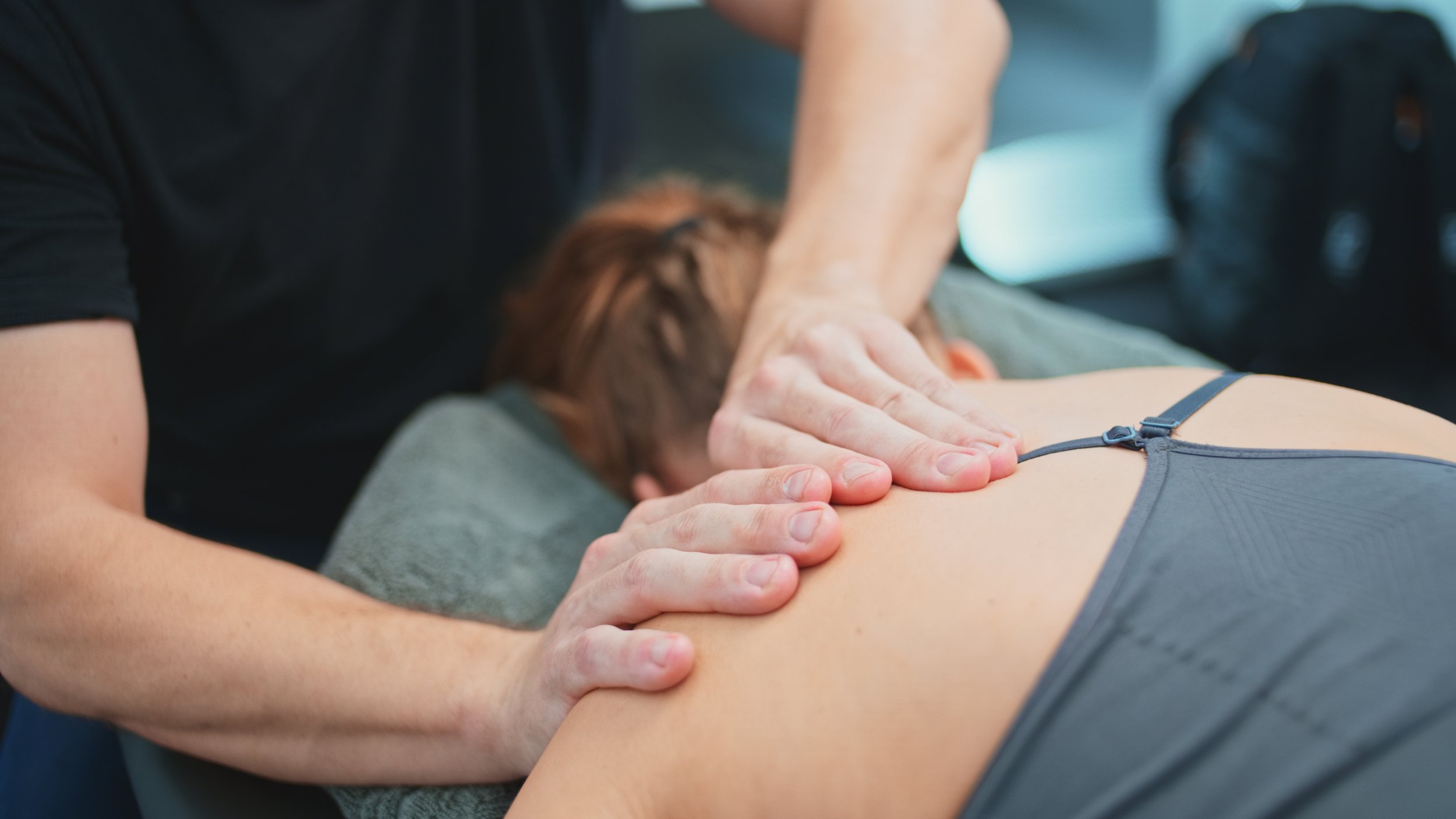
We regularly help people at our Soho clinic with:
Rotator cuff injuries and rotator cuff tears
Shoulder impingement syndrome
Frozen shoulder (adhesive capsulitis)
Tendon pain and tendinopathy
Shoulder bursitis
Shoulder instability and SLAP tears
Labral injuries
Gym-related shoulder injuries
Overhead sporting injuries
Shoulder pain after surgery
Acromioclavicular joint (AC joint) injuries
Persistent shoulder pain that hasn't settled
Whether you're a swimmer, CrossFit athlete, boxer, volleyball player, climber or someone who simply wants to lift their shopping without pain, the first step is always understanding why your shoulder has become irritated.
Does this sound like you?
A patient came to see us recently, convinced they'd "slept funny."
Their shoulder had become increasingly painful over the previous month.
They couldn't lie on that side anymore.
Reaching into the back seat of the car hurt.
Putting a jumper on had become awkward.
They hadn't fallen.
They hadn't injured themselves.
When we looked back together, the picture became much clearer.
They'd recently started training four days a week after doing very little exercise for almost a year.
At work they'd also been spending longer at a desk, sleeping less and recovering poorly.
Their shoulder hadn't suddenly broken.
It had slowly become overloaded.
That's a completely different problem.
And it needs a completely different solution.
A patient story.
Shoulder pain isn't one diagnosis.
One of the biggest misconceptions we see is people referring to everything as a "rotator cuff injury."
Sometimes it is.
Sometimes it isn't.
Shoulder pain might be coming from:
The rotator cuff — including supraspinatus, infraspinatus or subscapularis
A bursa — subacromial bursitis is one of the most commonly misunderstood shoulder conditions
The joint itself — glenohumeral joint irritation or acromioclavicular joint pain
Frozen shoulder (adhesive capsulitis) — which has its own distinct stages and timeline
The neck referring into the shoulder — cervical radiculopathy can mimic local shoulder pain
A tendon that's become overloaded — bicep tendinopathy or rotator cuff tendinopathy
A stability problem — labral tears, SLAP lesions or generalised shoulder instability
Each behaves differently.
Each has a different recovery timeline.
Which is why establishing the correct diagnosis matters far more than simply treating where it hurts.
Our job isn't just to reduce pain. It's to rebuild confidence in your shoulder.
During your assessment at our Central London clinic we'll look at how your shoulder moves, how strong it is, what positions reproduce your symptoms and, most importantly, what your shoulder can currently tolerate.
Where appropriate we'll objectively measure shoulder strength and compare this with the demands of your sport or everyday life.
If you're a swimmer, your goals are different to someone returning to Brazilian Jiu-Jitsu.
If you're recovering from surgery, your rehabilitation will look different again.
Every programme is built around the person, not just the diagnosis.
Treatment has stages.
When your shoulder is particularly painful, our first priority is calming things down.
Depending on your symptoms, treatment may include chiropractic care, manual therapy, soft tissue treatment, dry needling or sports taping to help reduce irritation and improve movement.
Once you're more comfortable, we start rebuilding capacity.
That means restoring shoulder strength, improving rotator cuff function, developing stability and gradually exposing your shoulder to the positions it needs to tolerate again.
If you're an overhead athlete, we'll eventually prepare your shoulder for throwing, lifting, striking or swimming again.
Not because the pain has disappeared.
Because your shoulder is genuinely ready.
We don't stop when your shoulder feels better.
One of the biggest mistakes people make is returning to normal activity as soon as the pain settles.
Pain isn't the finish line.
Capacity is.
That's why rehabilitation progresses through clearly defined stages until your shoulder is capable of coping with the demands of your sport, your work and your everyday life.
Our aim isn't simply getting you out of pain.
It's reducing the chances of you ending up back where you started six months later.

Elevate founder Jon Cairns
Shoulders are one of our favourite areas to treat.
Not because they're easy.
Because they're incredibly rewarding when the correct diagnosis meets the right rehabilitation programme.
Our approach combines hands-on treatment with progressive strength training, objective testing and clear education, giving you confidence throughout your recovery rather than leaving you wondering whether your shoulder is ever going to feel normal again.
Everything comes back to one question:
What does your shoulder need to get you back to doing what you love?
That's the question we'll answer together.
Why patients choose us.
FAQs
Why does my shoulder hurt when I haven't injured it? Because many shoulder problems develop gradually. Small increases in training, work or everyday activity can slowly overload the tissues until they become painful.
Will I need a scan? Not always. Most shoulder conditions can be accurately diagnosed through a detailed assessment. If imaging would change your management, we'll explain why and arrange the appropriate referral.
Will treatment hurt? Sometimes rehabilitation can be challenging, but treatment should always be appropriate to your stage of recovery. We'll explain exactly what we're doing and why before we begin.
How long does shoulder pain usually take to recover? That depends entirely on the diagnosis. Some conditions settle within a few weeks. Others, such as frozen shoulder or post-operative rehabilitation, require a much longer journey. We'll explain realistic expectations from your first appointment.
Ready to understand your shoulder pain?
Whether you've recently developed shoulder pain or you've been struggling with it for months, we'll help you understand why it's happening, what recovery looks like and how to get back to the activities that matter most to you.
Our clinic is based at UNTIL, 111 Charing Cross Road, Soho — a short walk from Tottenham Court Road Station.
Let's figure out what's actually going on.
Then let's get you back to doing what you love.
Whether you’re an athlete, a busy professional, or someone looking to relieve tension and improve mobility, our clinic offers a unique combination of expertise, care, and the facilities to support your goals. Book a session today and experience the difference for yourself!